Multiwall Paper Bags Manufacturer
Turkey Time: Loading...
Multiwall Paper Bags Manufacturer



| Overview |
| Americas and Europe: Standards |
| Key benefits |
| Practical tips |
| FAQ |
Punctuality, in the construction context, means delivering tasks, materials, and decisions on or before their scheduled dates. It is not just about being on time for meetings; it is about aligning every trade, supplier, and milestone to the critical path. In practice, punctuality equals schedule adherence, on-time delivery, and reliable performance.
When teams communicate and complete work as planned, overall reliability rises. That reliability reduces the need for costly rework and makes risk management easier. Punctuality supports the concept of lean construction by minimizing waiting and idle time, and it helps to protect your project’s critical path.
In North America, punctuality is closely tied to project kickoff, daily progress updates, and the command chain for change orders. Contractors often tie penalties or bonuses to milestone dates, emphasizing the importance of timely completion and coordination.
Across Europe, you will find stricter site discipline and more formalized start times, especially in public works. Punctuality supports safety, compliance, and worker welfare, while also aligning with directives such as the EU Working Time Directive in regulated sectors.
Contract clauses frequently include liquidated damages for delays. Punctuality helps protect the owner’s budget and ensures predictable cash flow for suppliers and subcontractors.
In multinational projects, punctuality requires clear communication across time zones, language barriers, and different procurement cycles. The ability to manage logistics and maintain a dependable schedule is a competitive advantage.
Punctuality drives project success. Delays ripple through schedules, budgets, and teams—stay on track.
With punctuality, crews move efficiently, equipment is used when needed, and materials arrive just-in-time. This minimizes idle equipment, reduces storage costs, and lowers overall project cost through better cash flow and fewer last-minute changes.
Timely sequencing reduces risk of conflicts and accidents on site. Properly scheduled work allows safety officers to plan inspections, permits, and buffer times to handle unexpected events without creating chaos.
On-time performance supports better quality control, fewer punch lists, and higher client confidence. When stakeholders see steady progress, communication improves and trust grows.
Use shared schedules, critical-path analyses, and buffer management. Tools like Gantt charts, daily logbooks, and procurement calendars help teams stay aligned with the timeline.
Daily standups and weekly reviews keep everyone informed. Clear escalation paths and agreed-upon response times prevent little delays from becoming big ones.
Checklists for site readiness, permit signoffs, and equipment readiness reduce start-time delays. Enforce strict start times to keep the project on course.
Coordinate lead times with suppliers and subcontractors. Early procurement of critical components prevents delays and keeps the critical path intact.
Delays can cascade through the schedule, leading to idle crews, increased costs, and potential penalties. Early detection and transparent communication help minimize impact and re-sequencing becomes necessary.
Define clear milestones, tie incentives to outcomes, and implement daily progress checks. Establishing consequences for chronic lateness and rewards for reliable performance encourages a punctual culture.
Digital scheduling, real-time dashboards, and procurement tracking help reveal bottlenecks quickly. Cloud-based collaboration platforms improve information flow and enable faster decision-making.

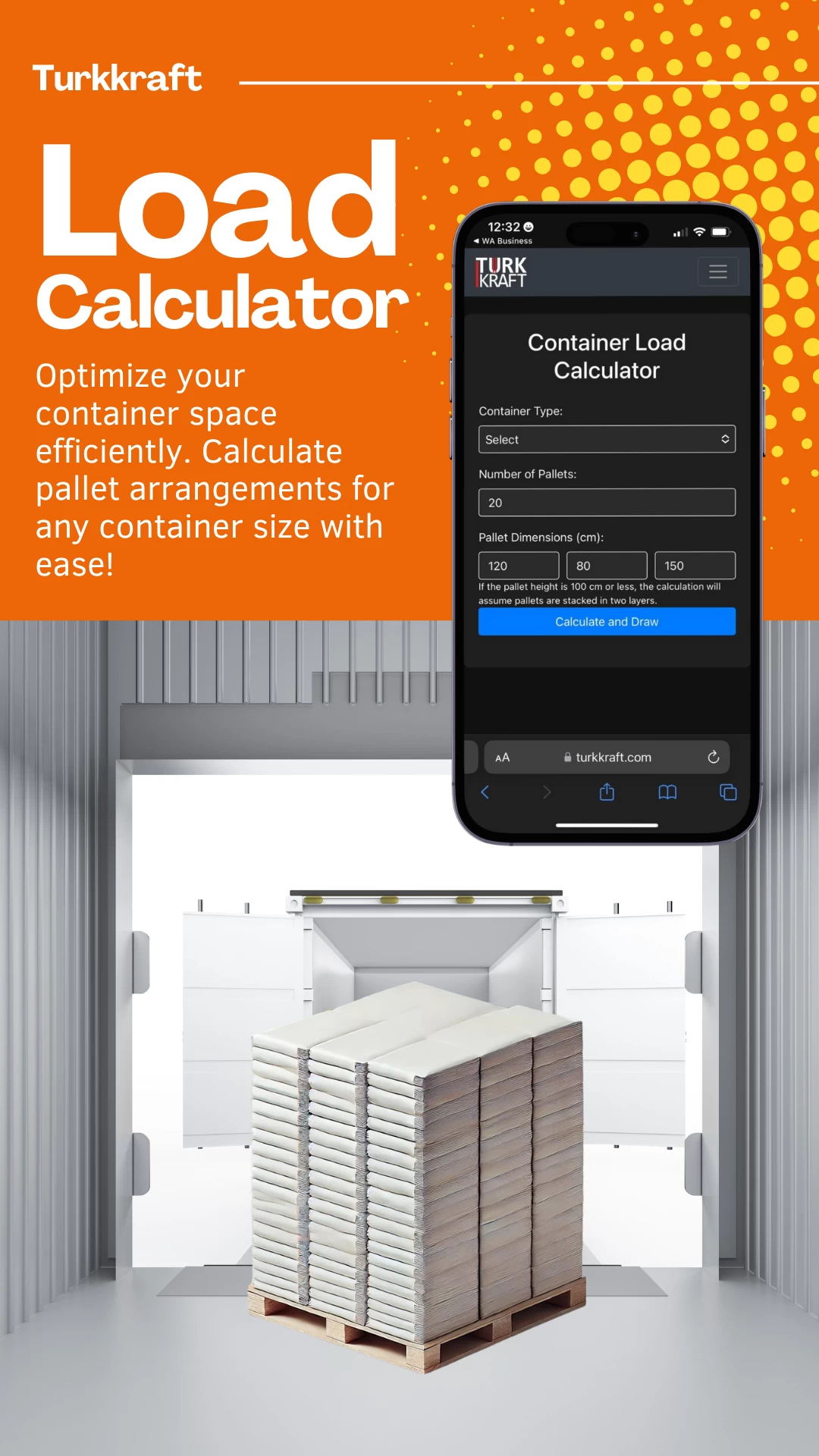


Türkkraft® is a producer of multi-wall industrial paper and PP sacks. It operates with intercontinental production.
